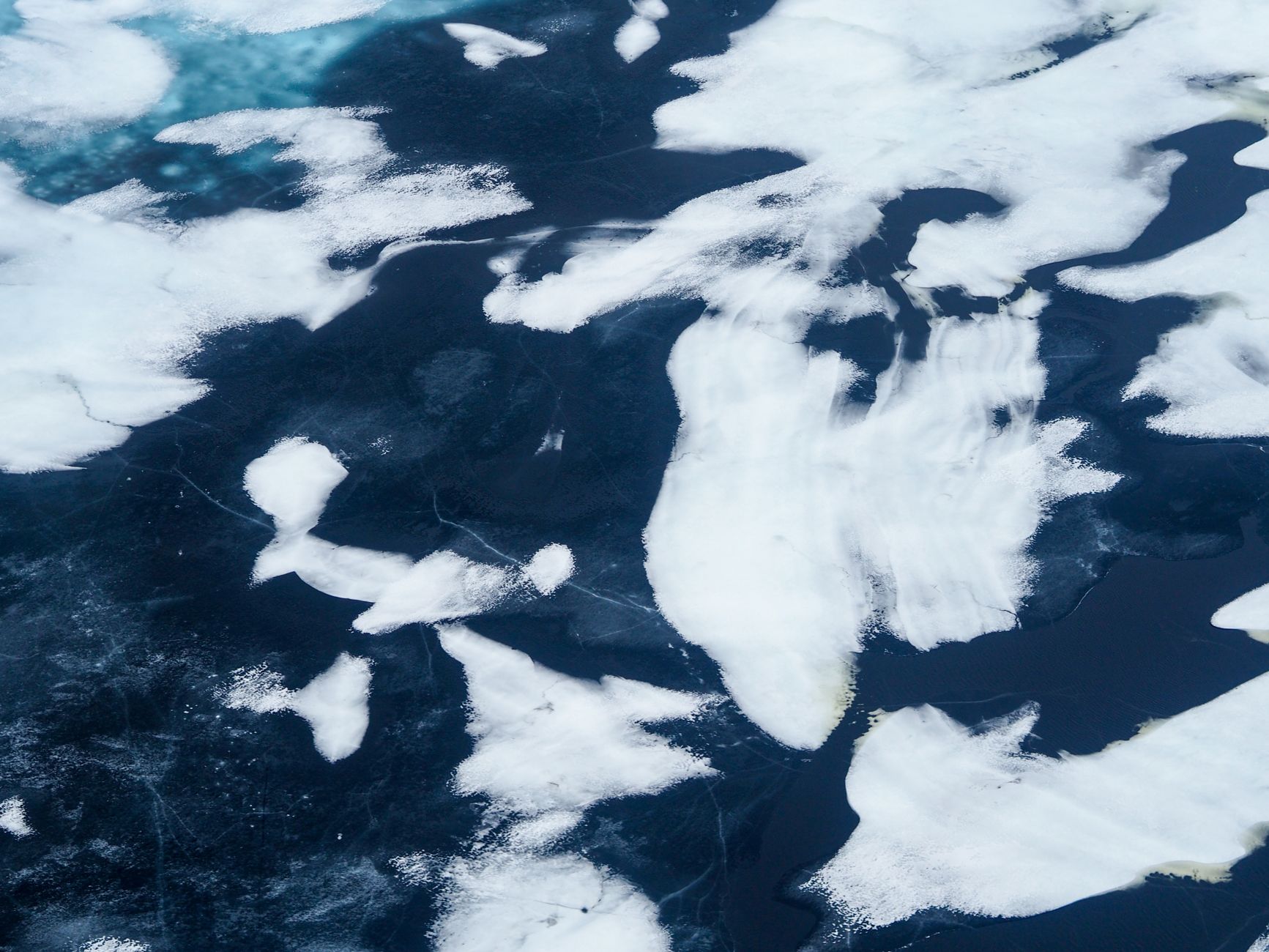
Arctic sea ice is reaching alarming lows, highlighting the ongoing challenges posed by climate change. This trend poses significant risks for ecosystems and global weather patterns.
Current Arctic sea ice levels
As of 2026, current Arctic sea ice levels have reached alarming lows, sparking concerns among scientists and environmentalists alike. The data indicates a significant decline in ice coverage, which poses serious implications for the global climate. This trend has been consistent over recent years, with a marked decrease observed in both extent and thickness of the ice.
Recent measurements show that the Arctic sea ice extent is now significantly below the long-term average. Factors contributing to this situation include:
- Rising global temperatures: Increased atmospheric temperatures are leading to accelerated melting.
- Ocean currents: Changes in oceanic patterns are affecting the distribution and formation of sea ice.
- Weather patterns: Unusual weather events are further destabilizing the ice environment.
The reduction in Arctic sea ice not only impacts local ecosystems but also has far-reaching effects on global weather patterns. As scientists continue to monitor these developments, the urgency for climate action becomes increasingly clear. The current trajectory suggests that without significant intervention, conditions will only worsen, making the future of Arctic sea ice a critical issue in the fight against climate change.
Impact of low ice on wildlife
The decline in Arctic sea ice has profound implications for wildlife across the region. As the ice continues to shrink, numerous species face challenges to their survival.
- Polar Bears: These iconic creatures rely on sea ice for hunting seals, their primary food source. With diminishing ice, they must travel greater distances to find food, leading to malnutrition and decreased cub survival rates.
- Seals: As the primary prey for polar bears, seals are also affected. The loss of sea ice disrupts their breeding and resting habitats, which can result in declining populations.
- Walruses: These animals use ice as a platform to rest and give birth. With the lack of stable ice, walruses are forced to crowd onto land, where they face increased competition for food and risk of trampling.
- Birds: Many Arctic bird species depend on ice for nesting and feeding. The reduction in sea ice alters their migratory patterns and can affect their reproductive success.
The overall impact of low Arctic sea ice levels is creating ripple effects throughout the ecosystem, highlighting the urgent need for climate action.
Historical trends in Arctic ice
Historical trends in Arctic ice reveal a concerning pattern that underscores the severity of climate change. Over the past several decades, scientists have documented a significant decline in Arctic sea ice, with data indicating that the extent of ice during summer months has decreased by nearly 40% since the late 1970s.
This reduction is alarming not only for its immediate effects on the environment but also for its long-term implications. Some key milestones in the history of Arctic sea ice include:
- 1979-1990: A stable ice extent characterized the early years, providing a baseline for future comparisons.
- 2007: A record low was reached, prompting increased concern among climate scientists and policymakers.
- 2012: Another significant drop occurred, with ice extent hitting an all-time low that shocked the global community.
- 2021-2026: Continued declines have led to predictions of ice-free summers by the mid-21st century if current trends persist.
These historical trends illustrate that Arctic sea ice is not just a seasonal phenomenon but a vital indicator of broader climate shifts affecting the entire planet.
Global implications of ice loss
The decline of Arctic sea ice is not just a regional issue; it carries significant global implications that can affect climate patterns worldwide. As the Arctic continues to warm at twice the rate of the rest of the planet, the melting ice contributes to rising sea levels. This phenomenon poses risks to coastal communities and ecosystems far beyond the Arctic region.
Furthermore, the loss of Arctic sea ice alters atmospheric circulation patterns, which can lead to extreme weather events in various parts of the world. Countries may experience unexpected fluctuations in temperature, increased precipitation, and heightened storm intensity. These changes can disrupt agricultural practices, water supply, and infrastructure, leading to economic instability.
In addition to environmental consequences, the melting ice opens new shipping routes and access to previously unreachable natural resources, raising geopolitical tensions among nations vying for control. As countries navigate the challenges posed by these shifts, the urgency to address climate change becomes even more critical.
Overall, the implications of declining Arctic sea ice extend far beyond the poles, highlighting the interconnectedness of our global climate system.
What can be done to help?
Addressing the alarming decline in Arctic sea ice requires collective action and innovative solutions. Here are some strategies that can help mitigate this issue:
- Reduce greenhouse gas emissions: Transitioning to renewable energy sources, such as solar and wind, can significantly lower carbon footprints and contribute to stabilizing global temperatures.
- Enhance energy efficiency: Improving the efficiency of buildings, vehicles, and appliances can decrease energy consumption, thus reducing emissions that contribute to climate change.
- Protect and restore natural habitats: Preserving ecosystems that act as carbon sinks, like forests and wetlands, can help absorb atmospheric carbon and support biodiversity.
- Support research and innovation: Investing in scientific research to develop new technologies and methods aimed at understanding and reversing the effects of climate change can provide valuable insights and solutions.
- Advocate for policy changes: Engaging with policymakers to promote laws and regulations that limit emissions and protect Arctic environments is crucial for long-term recovery.
By implementing these strategies, individuals and communities can contribute to efforts that aim to protect Arctic sea ice and combat climate change more broadly.
Future predictions for Arctic sea ice
Future predictions for Arctic sea ice suggest an alarming trajectory that could have dire consequences for the planet. Climate models indicate that if current trends continue, the Arctic could experience unprecedented reductions in sea ice extent and thickness within the next few decades.
Experts are particularly concerned about the following:
- Rapid Decline: Some projections suggest that the Arctic sea ice could diminish to nearly zero during summer months by the 2040s.
- Temperature Feedback Loops: As ice melts, darker ocean waters absorb more sunlight, leading to further warming and accelerating ice loss.
- Wildlife Impact: The loss of ice habitat poses significant threats to species such as polar bears, seals, and seabirds, which depend on stable ice for breeding and hunting.
- Global Weather Patterns: Changes in Arctic sea ice are likely to disrupt weather patterns worldwide, potentially resulting in extreme weather events.
- Societal Consequences: Indigenous communities and industries reliant on stable ice conditions will face increasing challenges as their environments change.
Given these predictions, the urgency to address climate change and mitigate its effects on Arctic sea ice is more critical than ever.
Photo by Kirill Zhbakov on Pexels
One thought on “Arctic sea ice: Is this the worst trend for climate change?”