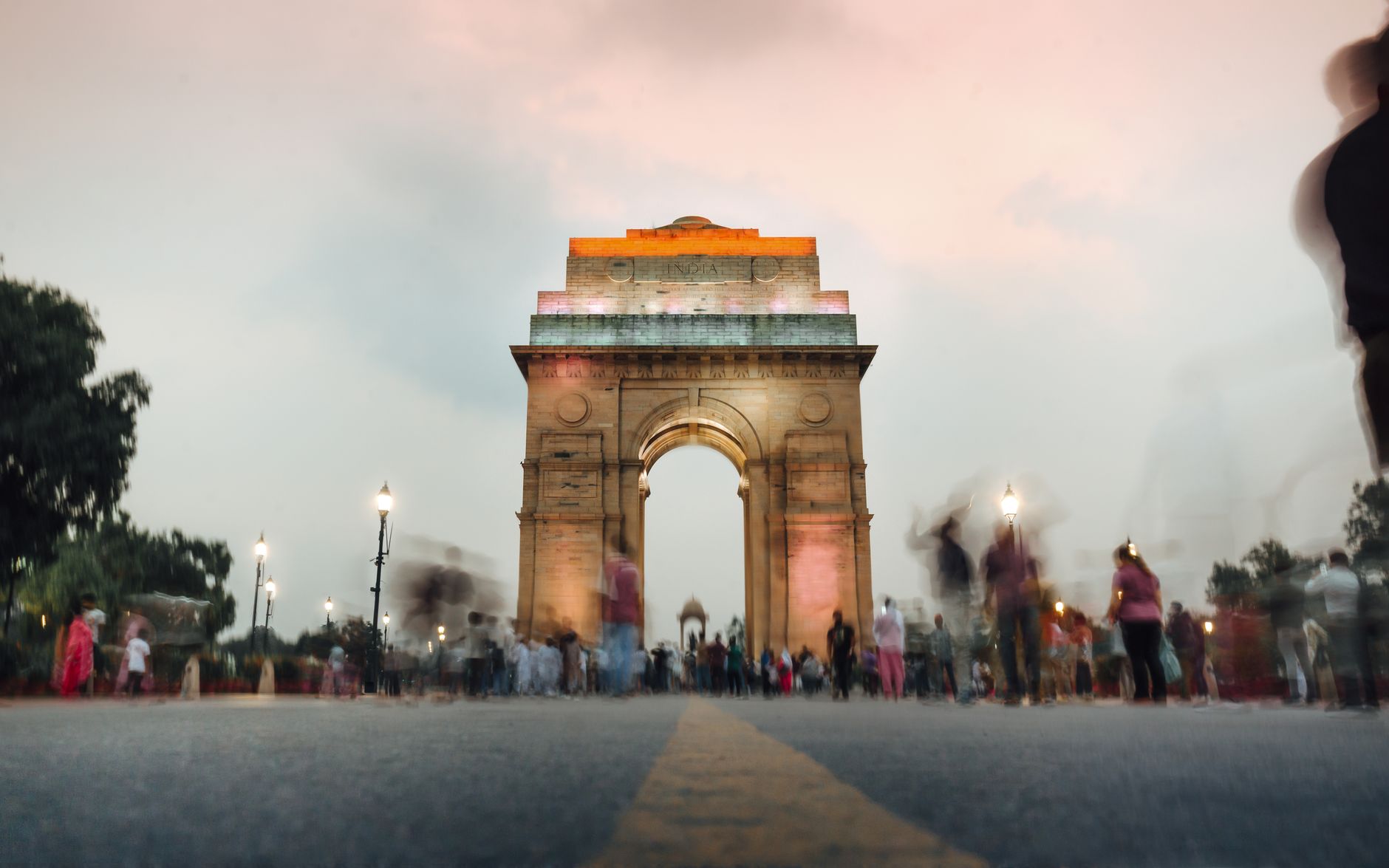
Modi political trajectory has been significantly influenced by pivotal events in India’s history. Understanding these moments provides insight into his leadership style and political strategy.
Introduction to Modi’s Leadership
The political journey of Narendra Modi, the Prime Minister of India, has been marked by several pivotal events that have significantly altered his political trajectory and, in turn, the landscape of Indian politics. Modi’s rise, characterized by a blend of strong leadership and controversial decisions, reflects the complexities of governing a diverse nation.
Two key events stand out in shaping Modi’s leadership and political narrative:
- The Gujarat Riots (2002): This tragic event early in Modi’s career as Chief Minister of Gujarat left a lasting impact on his political image. While it drew widespread criticism and allegations of complicity, it also galvanized a significant support base that viewed him as a decisive leader.
- Demonetization (2016): The sudden announcement of demonetization aimed at curbing black money and corruption was a bold move that had profound effects on the Indian economy. While it faced backlash for its implementation, it reinforced Modi’s image as a leader willing to take risks for the greater good.
These events not only shaped Modi’s political trajectory but also influenced the socio-economic fabric of India, sparking debates about governance, accountability, and the role of leadership in a democratic society.
Key Events in Modi’s Political Journey
Throughout his political career, several key events have significantly influenced Modi’s political trajectory and, by extension, India’s landscape. These events not only shaped his leadership style but also impacted public perception and policy direction.
- The 2002 Gujarat Riots: This tragic event marked a pivotal moment in Modi’s early political life. As the Chief Minister of Gujarat at the time, his handling of the riots led to widespread criticism and allegations of complicity. However, he later transformed this narrative, focusing on development and governance, which helped him regain public trust.
- The 2014 General Elections: Modi’s campaign in 2014 was a watershed moment, characterized by a robust use of social media and a clear message of economic development. His promise to bring about change resonated with millions, leading to a landslide victory for the Bharatiya Janata Party (BJP) and establishing him as a formidable national leader.
- Introduction of Key Policies: Initiatives like the Goods and Services Tax (GST) and the Make in India campaign are significant milestones in Modi’s political trajectory. They reflect his vision of transforming India into a global economic powerhouse.
These events, among others, highlight the dynamic nature of Modi’s leadership and his ongoing influence on the country’s political landscape.
Impact of the 2002 Gujarat Riots
The impact of the 2002 Gujarat riots on Narendra Modi’s political trajectory is profound and multifaceted. The riots, which erupted following the Godhra train burning, led to widespread violence and significant loss of life. Modi, who was the Chief Minister of Gujarat at the time, faced intense scrutiny and criticism for his handling of the situation.
In the aftermath, several key events shaped public perception and Modi’s political narrative:
- National Attention: The riots drew national and international condemnation, placing Modi in a contentious spotlight.
- Political Polarization: The events further polarized Hindu and Muslim communities, impacting political dynamics in Gujarat and beyond.
- Reputation Building: Modi’s image evolved from that of a controversial leader to one focused on development, as he emphasized economic growth in subsequent years.
- Electoral Success: Despite the initial backlash, Modi won the 2007 Gujarat state elections with a significant mandate, showcasing a shift in voter sentiment.
In essence, the 2002 Gujarat riots played a crucial role in shaping Modi’s political trajectory, influencing both his leadership style and the strategies he employed to connect with the electorate.
The Role of the 2014 General Elections
The 2014 General Elections marked a pivotal moment in Narendra Modi’s political trajectory, reshaping not only his career but also the future of India. The elections were characterized by a wave of enthusiasm for Modi, who campaigned on the promise of development, governance reform, and a strong economy. His vision resonated with a populace eager for change after years of perceived stagnation.
Modi’s Bharatiya Janata Party (BJP) secured a historic victory, winning 282 seats in the Lok Sabha, a feat that allowed him to form a government without needing coalition partners. This electoral success was attributed to several key factors:
- Effective Campaigning: Modi utilized social media and innovative marketing strategies to engage with voters.
- Economic Promises: He focused on initiatives like “Make in India” to attract foreign investment and boost job creation.
- Nationalism: His narrative of strong leadership appealed to a sense of national pride and security.
The 2014 elections not only elevated Modi as a dominant political figure but also set the stage for significant policy changes that would impact millions, further solidifying his political trajectory in India.
Demonetization: A Turning Point
One of the most significant events in Narendra Modi’s political trajectory was the demonetization initiative announced on November 8, 2016. This bold move aimed to combat black money, counterfeit currency, and corruption by invalidating ₹500 and ₹1,000 notes overnight. The decision sent shockwaves across the nation, leading to widespread debates and mixed reactions among the populace.
Supporters hailed it as a necessary step towards a cleaner economy, while critics condemned the suddenness of the policy and its impact on the common man. The immediate aftermath saw long queues outside banks and ATMs, with many struggling to access their own money.
Despite the challenges, Modi’s government framed demonetization as part of a broader vision for a corruption-free India. This initiative reshaped the economic landscape and political discourse, reinforcing Modi’s image as a decisive leader willing to take risks for the greater good.
In the long term, the effects of demonetization continue to be analyzed, with economists divided over its success. However, its role in Modi’s political trajectory is undeniable, marking a defining moment that influenced public perception and voter sentiment leading into subsequent elections.
Recent Developments in Modi’s Tenure
In recent years, Narendra Modi’s political trajectory has been shaped by a series of significant developments that have sparked both praise and criticism. One of the notable events was the implementation of the Goods and Services Tax (GST) in 2017. This landmark reform aimed to unify India’s complex tax structure, making it easier for businesses to operate across state lines. While it was hailed as a major achievement, it also faced backlash due to initial compliance challenges and its impact on small businesses.
Another pivotal moment was the Indian government’s handling of the COVID-19 pandemic. The initial response received mixed reviews, with early lockdown measures praised for their decisiveness. However, the subsequent second wave in 2021 led to severe shortages of medical supplies and resources, raising questions about the preparedness of the administration. This event tested Modi’s leadership and affected public perception, influencing his political trajectory.
The combination of these events reflects Modi’s attempt to navigate complex socio-economic landscapes while retaining popular support. As he continues to pursue various initiatives, the implications of these developments for India’s future remain a subject of intense discussion and debate.
Conclusion: The Future of Modi’s Leadership
As Narendra Modi’s political trajectory continues to unfold, the future of his leadership remains a topic of considerable debate among political analysts and citizens alike. The events that have shaped his career thus far have also left a lasting impact on India’s socio-economic landscape.
Looking ahead, several factors may influence Modi’s political standing:
- Economic Policies: Modi’s approach to economic reform, including initiatives like ‘Make in India’ and ‘Digital India,’ will play a crucial role in determining his legacy.
- Social Harmony: The ability to foster communal harmony and address issues of social justice will be pivotal in a country marked by diversity.
- Electoral Strategies: Modi’s strategies in upcoming elections, especially in light of recent challenges, will test both his political acumen and public support.
- Global Relations: Strengthening India’s global position and managing foreign relations will be essential in maintaining his leadership image.
Ultimately, the trajectory of Modi’s political future will depend on how effectively he navigates these challenges while fulfilling the aspirations of the Indian populace. As history has shown, the path ahead is fraught with uncertainties, but it is also filled with opportunities for transformative leadership.
The Modi political trajectory has been significantly influenced by key economic reforms and policy decisions. Understanding the Modi political trajectory requires an analysis of both domestic and international events that shaped his leadership style.
Photo by Ryan Thomas on Pexels

2 thoughts on “Modi political trajectory: What are the proven events that changed India?”