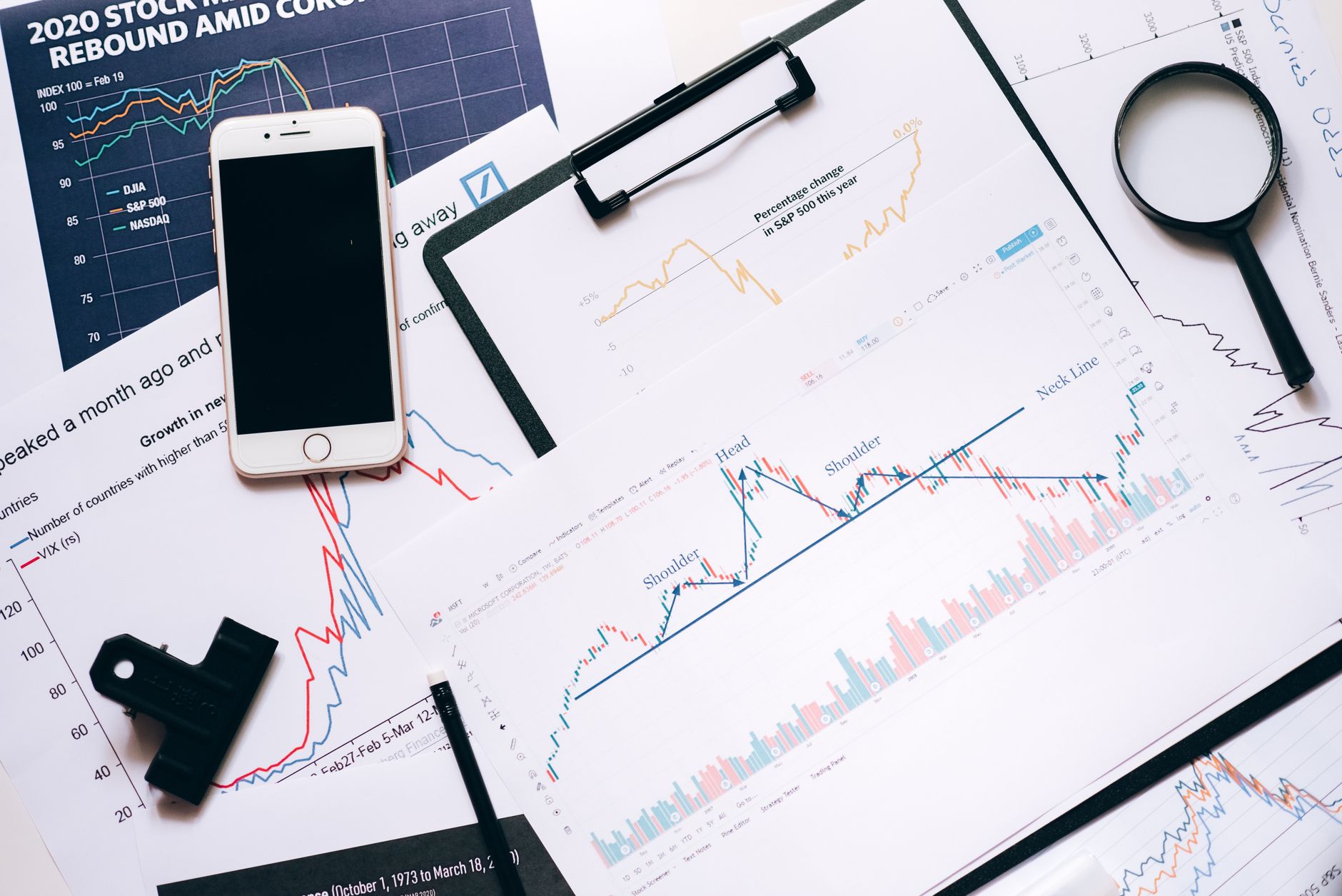
S&P 500 decline has become a pressing concern as traders fret about inflation and rising Treasury yields. This shift in the market raises questions about the future economic landscape and investor confidence.
Understanding the S&P 500 decline
The recent S&P 500 decline has raised concerns among investors and analysts alike. A significant factor contributing to this downturn is the rise in Treasury yields, which has created a ripple effect throughout the stock market. As yields increase, borrowing costs for companies tend to rise, which can negatively impact their profitability and, subsequently, their stock prices.
Moreover, persistent worries about inflation continue to weigh heavily on market sentiment. When inflation expectations rise, investors often anticipate that the Federal Reserve will respond by tightening monetary policy, potentially leading to higher interest rates. This anticipated shift can further exacerbate the S&P 500 decline as companies face increased costs and consumer spending slows down.
In addition to these economic factors, geopolitical tensions and supply chain disruptions have also played a role in the market’s volatility. These issues can create uncertainty, prompting traders to reassess their positions and pull back from riskier assets.
To summarize, the S&P 500 decline can be attributed to a combination of rising Treasury yields, inflation fears, and external economic pressures. As traders navigate this challenging environment, understanding these underlying causes is essential for making informed investment decisions.
Impact of Treasury yields on the market
The recent S&P 500 decline has sparked discussions among investors regarding the influence of rising Treasury yields. As yields increase, borrowing costs for companies rise, leading to concerns about profitability and overall economic growth. This relationship between Treasury yields and the stock market is crucial for understanding the current market dynamics.
When Treasury yields ascend, they typically indicate investors’ expectations of higher inflation or a tightening of monetary policy by the Federal Reserve. This can create a ripple effect across various sectors of the economy. Key impacts include:
- Increased borrowing costs: Higher yields make loans more expensive for businesses and consumers, potentially slowing down economic expansion.
- Pressure on equities: As yields rise, fixed-income investments may become more attractive, leading investors to reallocate funds away from stocks.
- Market sentiment: Rising yields can signal uncertainty among traders, often resulting in increased volatility within the S&P 500.
Traders are now closely monitoring these yields, as they can significantly influence market trends. A sustained increase in Treasury yields can exacerbate the ongoing S&P 500 decline, highlighting the interconnectedness of bond markets and equities.
Inflation concerns among traders
Inflation concerns among traders have emerged as a significant factor contributing to the S&P 500 decline. As prices for everyday goods and services continue to rise, the anxiety surrounding inflation becomes palpable in the markets. Traders are increasingly apprehensive that persistent inflation could lead to tighter monetary policies from the Federal Reserve, which may ultimately impact economic growth.
Several factors have intensified these inflation concerns:
- Supply Chain Disruptions: Ongoing disruptions in global supply chains have resulted in increased costs for manufacturers and consumers alike. These disruptions have led to higher prices for goods, further fueling inflation fears.
- Rising Energy Prices: The surge in energy prices, particularly oil and gas, has a direct impact on transportation and production costs. As these prices rise, businesses often pass the costs onto consumers, contributing to inflation.
- Labor Market Tightness: A tight labor market has forced companies to increase wages to attract and retain employees. While higher wages can benefit workers, they may also lead to increased costs for employers, which can be reflected in higher prices for consumers.
As traders keep a close eye on economic indicators, the combination of these factors continues to worry investors, contributing to the ongoing S&P 500 decline.
Analyzing the economic outlook
The current economic outlook presents a complex landscape for investors, particularly regarding the S&P 500 decline. Analysts have observed several influential factors that contribute to the market’s performance, especially in today’s volatile environment.
One significant element is the ongoing uncertainty surrounding monetary policy. With inflation rates rising, the Federal Reserve may continue to adjust interest rates, which can lead to increased borrowing costs and impact consumer spending. This has made traders particularly sensitive to any signals about future rate hikes, causing fluctuations in market confidence.
Moreover, global economic conditions play a crucial role. Factors such as geopolitical tensions and supply chain disruptions can exacerbate existing concerns, creating a ripple effect on the stock market. As international trade dynamics shift, companies within the S&P 500 face varying degrees of risk, impacting their profitability and, ultimately, stock performance.
Another contributing factor is corporate earnings reports, which have shown mixed results lately. Companies that fail to meet market expectations often see their stock prices decline, further adding to the aggregate S&P 500 decline. As investors sift through earnings data, they remain cautious, weighing the potential for future growth against the backdrop of economic challenges.
In summary, the combination of monetary policy adjustments, global uncertainties, and corporate earnings results creates a precarious economic outlook that continues to influence the S&P 500 decline.
What investors should watch next
As the S&P 500 decline continues to capture the attention of investors, it is crucial to identify the key indicators that may shape market movements in the near future. Here are several factors that investors should monitor closely:
- Economic Data Releases: Upcoming reports on employment, consumer spending, and manufacturing could provide insights into economic health. A stronger-than-expected performance may alleviate some fears surrounding inflation and bolster investor confidence.
- Federal Reserve Policy Changes: The central bank’s stance on interest rates will play a significant role in the S&P 500’s trajectory. Investors should be vigilant about any signals from the Fed regarding future rate hikes or monetary policy adjustments.
- Corporate Earnings Reports: As companies begin to release their quarterly earnings, the market will react to their performance amid rising costs. Positive earnings surprises could counteract the current S&P 500 decline.
- Geopolitical Developments: Events such as international conflicts or trade negotiations can impact market sentiment and volatility. Investors should keep an eye on global news that could affect market dynamics.
By staying informed about these elements, investors can better navigate the complexities of the market and potentially mitigate the impact of the S&P 500 decline on their portfolios.
Photo by Leeloo The First on Pexels
Where this came from
You might also like
Dem Governor News: The Worst Political Drama Unfolding Now · Bikini Baristas Win: $2M Legal Battle Victory Unveiled · Mirzapur stars reunion: Is it the best comeback ever?
2 thoughts on “S&P 500 decline: What are the proven causes behind it?”